Michigan fleet guides · 2026
5 reefer idling checks for Michigan, Ohio and Indiana (2026)
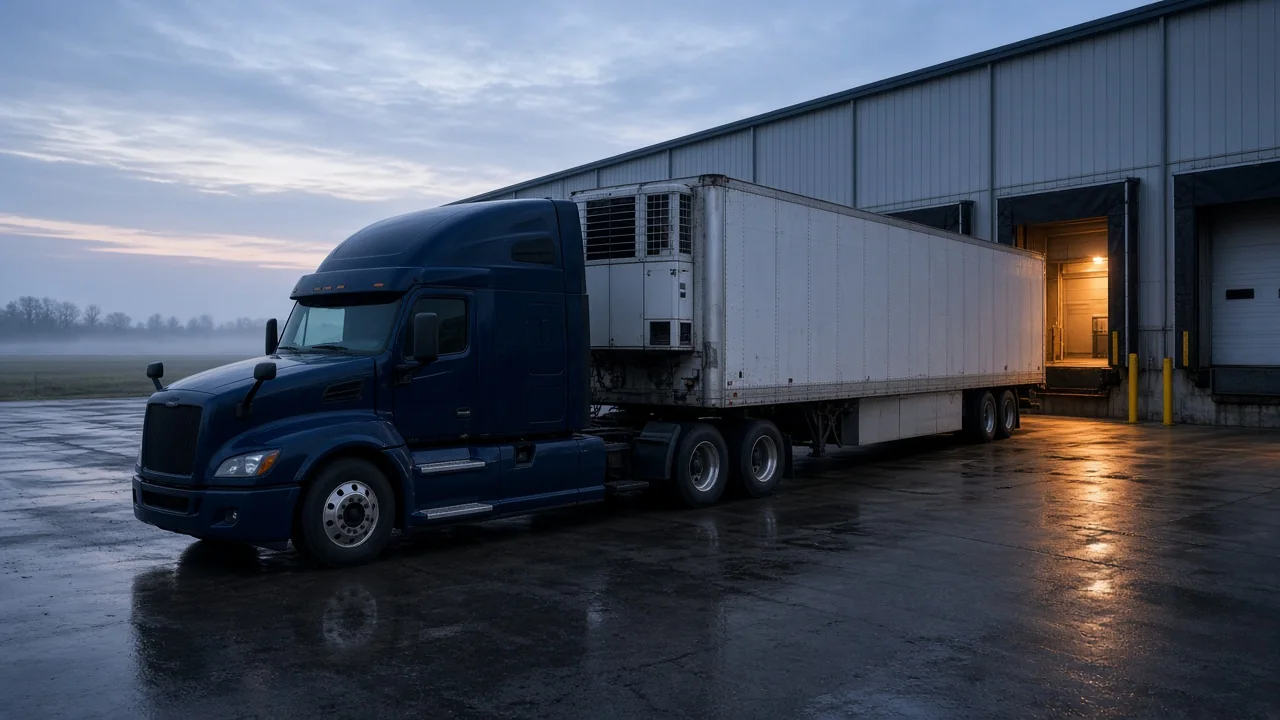
A tractor engine and a refrigeration unit do different work. Before a wait at a receiver, separate the local engine-idling rule from the power the load needs.
ATRI’s June 2025 compendium lists no statewide truck idling limit for Michigan, Ohio or Indiana, but it lists city limits. Check the city code and its exemptions at the place the truck waits. An auxiliary-equipment exemption is not blanket permission to idle the tractor.
| # | Item | Best for | What ready looks like |
|---|---|---|---|
| 1 | Start with the state baseline | Dispatchers building a three-state route | State guidance is separated from city restrictions. |
| 2 | Check Michigan city limits | Receivers in Detroit or Ann Arbor | The city limit and the relevant exemptions are in the stop plan. |
| 3 | Check Ohio city limits | Receivers in Cleveland and nearby cities | The specific city is checked rather than treating all of Ohio alike. |
| 4 | Separate reefer power from cab idling | Temperature-controlled loads | The actual auxiliary-equipment exemption has been read. |
| 5 | Put the rule in the trip file | Fleets with recurring receiver waits | Drivers have the local rule and the reefer records stay with the trip. |
Want notice when Helm can take Michigan fleets? Join the founding carrier list.
1. Start with the state baseline
Best for: Dispatchers building a three-state route.
ATRI's 2025 idling compendium, an industry reference updated in June 2025, lists no statewide truck idling limit for Michigan, Ohio or Indiana (ATRI compendium). Indiana's environmental agency promotes voluntary idle reduction instead (IDEM).
2. Check Michigan city limits
Best for: Receivers in Detroit or Ann Arbor.
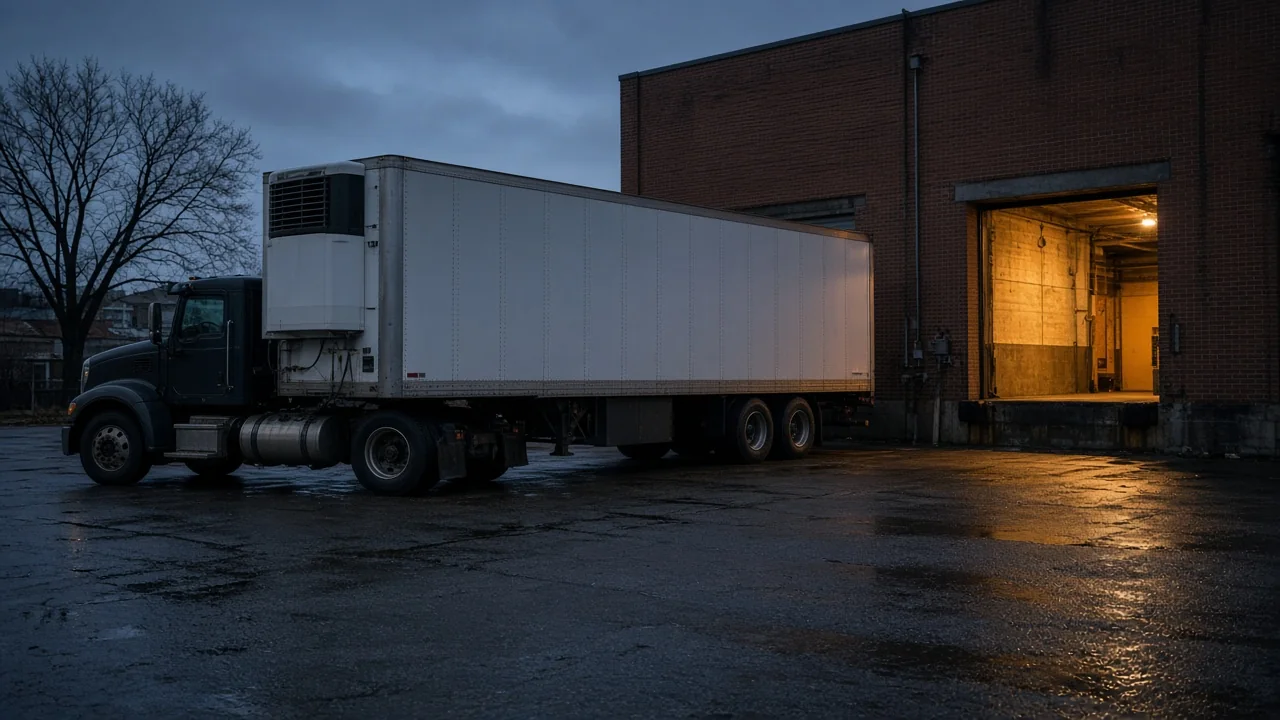
ATRI’s June 2025 compendium lists Detroit at 5 consecutive minutes in any 60-minute period under City Code 46-4-81. It lists Ann Arbor at 5 consecutive minutes in any 60-minute period or when unoccupied, with listed temperature and other exceptions under Title VI, Chapter 72.
Read the current city code and its full exemption list before applying either summary to a particular wait.
3. Check Ohio city limits
Best for: Receivers in Cleveland and nearby cities.
The same compendium lists Cleveland at 5 minutes in any 60-minute period. It lists 10 minutes per hour at loading docks or areas, or below 32°F or above 85°F, under Traffic Code 431.44.
Maple Heights and South Euclid have their own rules. Do not use the Cleveland limit as a rule for every Ohio receiver.
4. Separate reefer power from cab idling
Best for: Temperature-controlled loads.
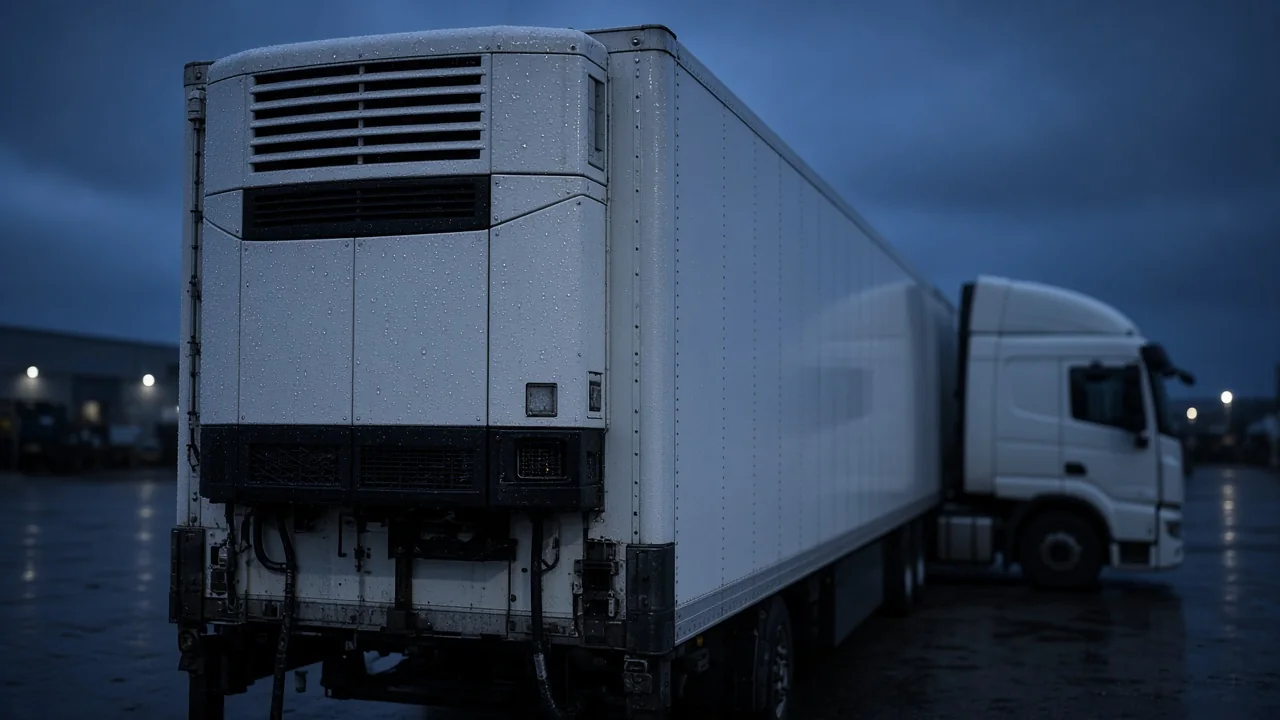
Local codes summarized by ATRI commonly list an exemption for powering auxiliary equipment. Check whether the actual wording covers the refrigeration operation at that stop. It does not automatically exempt cab-comfort idling.
Keep temperature records with the trip. See reefer maintenance records and the FSMA sanitary transportation rule.
5. Put the rule in the trip file
Best for: Fleets with recurring receiver waits.
- List the receivers in cities with idling limits.
- Give drivers the applicable local rule and exemption wording.
- Keep reefer download records with the trip file.
Use the reefer cargo claim file checklist to organize the supporting records. Local rules change, so confirm the code where the truck waits.
FAQ
Is there a statewide truck idling law in Michigan?
ATRI's 2025 compendium lists no statewide limit for Michigan. Detroit and Ann Arbor have local limits of 5 minutes in any 60-minute period.
Does Ohio limit truck idling?
Not statewide, per ATRI's 2025 compendium. Cleveland and some nearby cities, such as Maple Heights and South Euclid, have local limits.
Can a reefer unit run while the tractor is shut off?
Local codes listed by ATRI commonly exempt powering auxiliary equipment, which can include a refrigeration unit. Read the exemption list in the city code where the truck waits.
What are the Detroit fines?
ATRI lists a warning for a first offense, then $150 to the operator and/or $500 to the owner for a second, under Detroit City Code 46-4-81.
Sources
- ATRI: 2025 Compendium of Idling Regulations (accessed Nov 5, 2026)
- IDEM: Idling (Indiana Department of Environmental Management) (accessed Nov 5, 2026)
The city-limit comparison comes from ATRI’s June 2025 compendium, reopened Nov 5, 2026. It is an industry summary, not a substitute for the current city code.
Join the founding carrier list.
One email when Helm Partners launches, plus a DeepView briefing. No spam, and we do not sell your information.