Michigan fleet guides · 2026
5 truck parking checks for Michigan, Ohio and Indiana (2026)
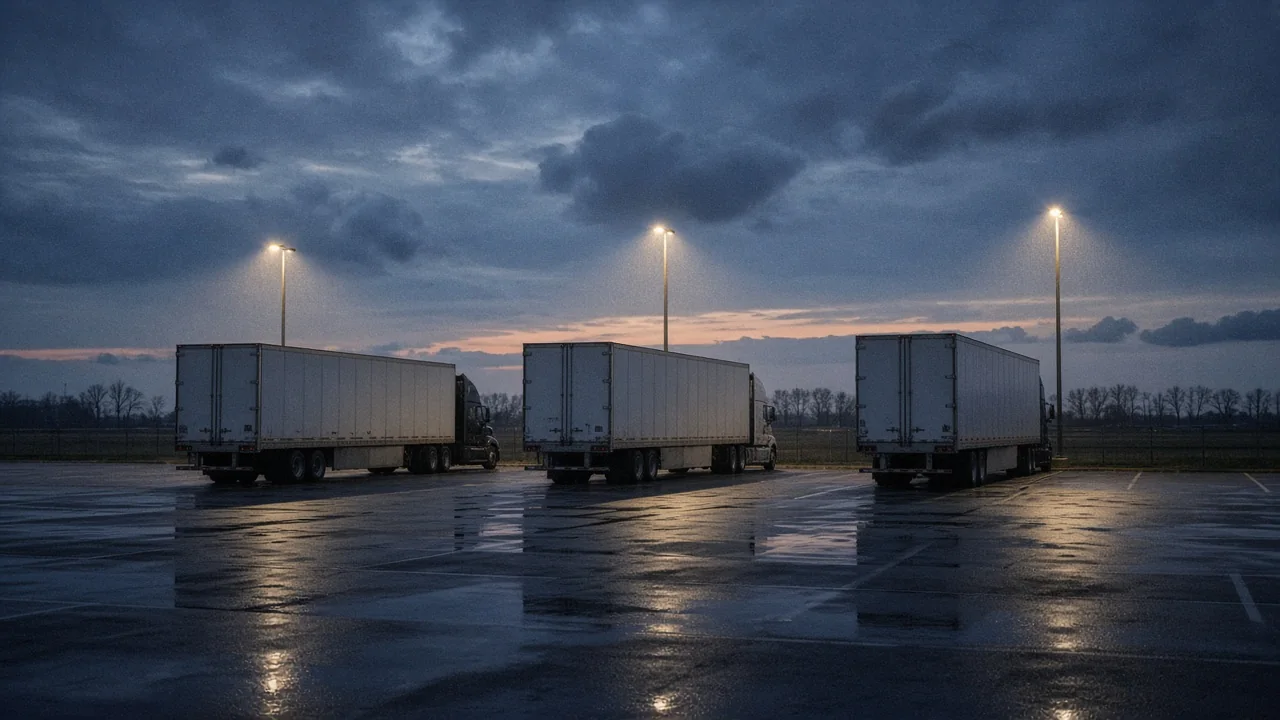
A parking plan works best before dispatch, not when the driver reaches the last available space. Use these five checks for a planned stop and a practical backup.
Plan the stop before the load leaves. Check parking options, the driver’s remaining hours, receiver delays and security at the destination. Historical FHWA parking surveys help explain supply, but they do not show whether a space is open tonight. A shoulder is not a planned overnight stop.
| # | Item | Best for | What ready looks like |
|---|---|---|---|
| 1 | Check the parking options | Dispatchers comparing unfamiliar lanes | A suitable lot and a backup are identified. |
| 2 | Match the stop to the hours left | Drivers with a tight delivery schedule | The primary stop and backup fit the hours available. |
| 3 | Allow for receiver detention | Fleets waiting at loading docks | The plan accounts for delay before the next safe stop. |
| 4 | Keep emergency stops separate | Drivers facing a breakdown | Flashers and warning-device procedures are understood. |
| 5 | Check trailer security | Loaded trailers parked overnight | Lighting, access, locks, seals and location records are checked. |
Want notice when Helm can take Michigan fleets? Join the founding carrier list.
1. Check the parking options
Best for: Dispatchers comparing unfamiliar lanes.
Start with the places a driver can actually stop. Jason’s Law, section 1401 of MAP-21 made truck parking projects eligible for federal funds and required a survey of state parking capacity, with updates.
The historical FHWA survey places Indiana and Ohio among states with high parking supply on National Highway System roads. That is planning context, not a current vacancy count or assurance of room.
2. Match the stop to the hours left
Best for: Drivers with a tight delivery schedule.
Pick the overnight stop at dispatch, with a backup, based on the driver’s remaining hours. Keep the backup within reach rather than treating it as a place to try after the hours are gone. See hours of service for property carriers.
3. Allow for receiver detention
Best for: Fleets waiting at loading docks.
Add receiver detention time to the plan. If a delay changes the stop, dispatch and the driver need to revisit the primary lot and backup before the remaining hours become tight.
4. Keep emergency stops separate
Best for: Drivers facing a breakdown.
Avoid planning shoulder or ramp parking. When a covered commercial vehicle is stopped on a traveled portion or shoulder for a reason other than a necessary traffic stop, 49 CFR 392.22 calls for hazard flashers immediately and warning devices as soon as possible, within 10 minutes. Device placement depends on the road layout and visibility. Use the full rule rather than one diagram for every stop.
5. Check trailer security
Best for: Loaded trailers parked overnight.
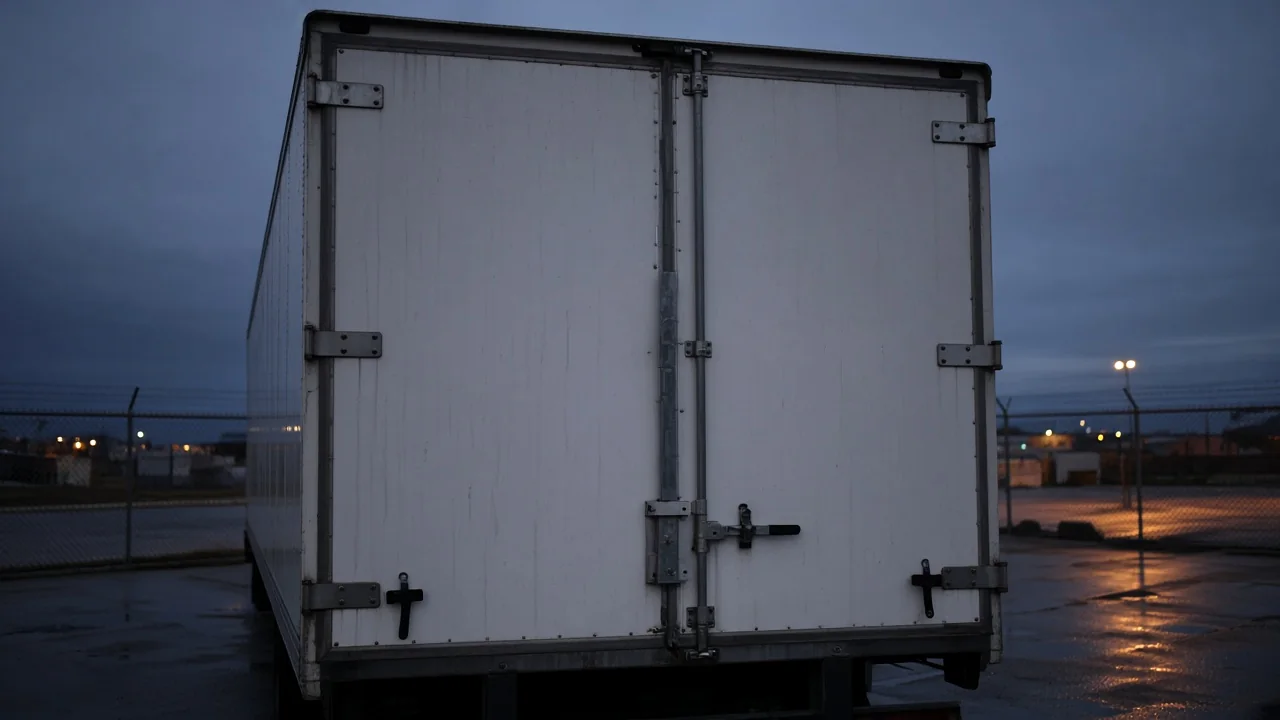
- Choose lit, fenced or attended lots for loaded trailers.
- Use kingpin and glad-hand locks and keep the trailer sealed.
- Log where each loaded trailer sits overnight.
These are practical controls. They cannot prevent every theft. See cargo theft prevention for dry van fleets.
FAQ
What is Jason's Law?
Section 1401 of MAP-21. It made truck parking projects eligible for federal funds and required the Secretary of Transportation to survey each state's truck parking capacity, with periodic updates.
Which Great Lakes states have the most truck parking?
FHWA's Jason's Law survey lists Indiana and Ohio among the states with the highest numbers of commercial vehicle parking spaces on National Highway System roads.
What must a driver do when stopped on the shoulder?
For a stop covered by 49 CFR 392.22, turn on hazard flashers immediately and place warning devices as soon as possible, within 10 minutes. The required placement depends on the road layout and visibility; read the full rule.
How does parking affect cargo theft?
Lighting, controlled access, locks, seals and a record of the trailer’s location are practical parts of a parking plan. They cannot prevent every theft.
From the Wire: Ohio township limits heavy truck businesses to one industrial zone and sends zoning status letters; Michigan will close five northern rest areas on Interstate 75 and US-31 from Dec. 1 to April 12.
Sources
- FHWA: MAP-21 section 1401, Jason's Law (accessed Nov 5, 2026)
- FHWA: Jason's Law truck parking survey results (accessed Nov 5, 2026)
- 49 CFR 392.22: Emergency signals; stopped commercial motor vehicles (eCFR, accessed Nov 5, 2026)
Source access notes: federal rule links retain the Nov 5 source review from the original guide. Automated access was unavailable during this format update.
Join the founding carrier list.
One email when Helm Partners launches, plus a DeepView briefing. No spam, and we do not sell your information.